Search History
brock string
PH09-248
cataract eye
scalp
Pocket Intradermal(ID) Injection Pad with 32 Training Spots
You May Also Like
Do babies have growth spurts in the womb? Yes, they do! During pregnancy, your baby doesn’t grow at a steady pace. instead, there are certain times when they grow really fast. These are called growth spurts during pregnancy. Knowing when these growth spurts happen and what they mean can help you feel more connected to your baby and more confident throughout your pregnancy. In this article, we’ll explore how your baby grows in the womb, when those big growth spurts happen, and how you can support their healthy development along the way.
A pregnancy growth spurt is a period during pregnancy when your baby suddenly grows faster than usual, whether in size, weight, or organ development. These spurts don’t happen evenly from week to week. Instead of slow, steady growth, your baby experiences short bursts of rapid development at certain key points.
It is similar to when older kids hit a growth spurt and suddenly shoot up in height. Your baby does the same thing, just much earlier inside the womb.
Several factors can influence when and how a fetus growth spurt happens:
Understanding that fetal growth happens in spurts rather than on a smooth curve can help explain some of the changes you might feel, such as a growing belly, increased hunger, or more noticeable kicks. These are signs that your baby is going through an exciting phase of growth and development.
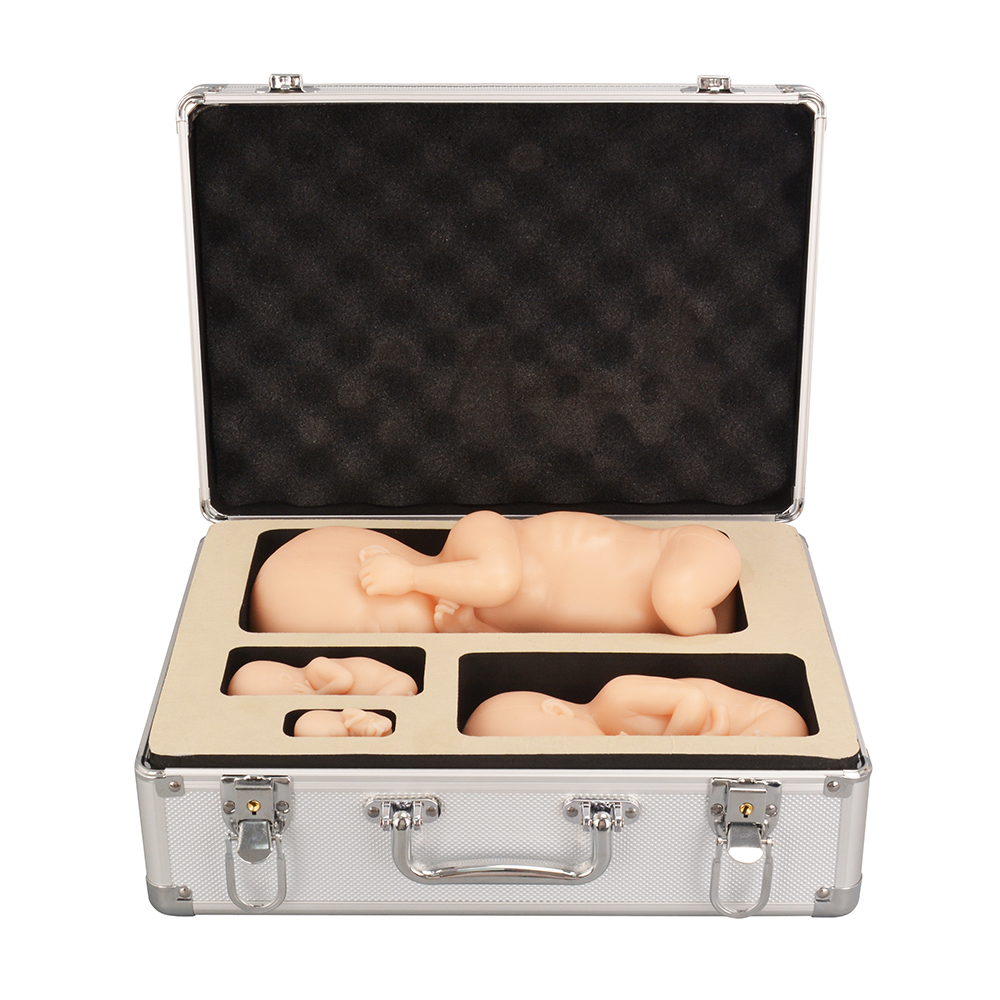
Understanding how your baby grows and changes in the womb can be fascinating. Let’s take a look at the typical size and features of the fetus at 12, 16, 22, and 30 weeks of pregnancy:
At around 12 weeks, the fetus is about 6 to 7 centimeters long, roughly the size of a plum. The basic shape of the body is formed, and facial features such as the eyes, nose, and mouth begin to become clear. Fingers and toes are fully separated, and the baby can make small movements.
By 16 weeks, the fetus grows to about 10 to 12 centimeters long. The body proportions become more balanced, and the bones start to harden. Limb movements become more active. External genitalia are developed enough to often be distinguished on an ultrasound.
At 22 weeks, the fetus measures approximately 27 centimeters in length. The skin is thin and translucent, allowing blood vessels to be seen beneath. Hair begins to grow on the head, including eyebrows and eyelashes. The baby’s movements become stronger and more coordinated.
By 30 weeks, the fetus is about 40 centimeters long and has gained significant weight. The body proportions resemble those of a newborn. The skin becomes less transparent as fat builds up underneath. Organs such as the brain and lungs continue to mature in preparation for birth.

Pregnancy is divided into three trimesters, each marked by important growth spurts during pregnancy and developmental milestones. Understanding what happens during these phases can help you better appreciate your baby’s amazing journey.
During the first trimester, your baby’s development is focused on rapid cell division and the formation of basic organ systems. Between weeks 8 and 12, the embryo quickly elongates and begins to take on a more recognizable human shape. For example, by week 10, tiny fingers and toes appear, and the heart starts beating steadily. Meanwhile, the placenta starts to form, creating the essential connection to deliver nutrients and oxygen from you to your baby.
The second trimester is marked by notable growth in length and increasing fetal activity. Between weeks 16 and 20, the baby grows significantly longer, and many mothers start to feel the first gentle fluttering movements known as "quickening." Around week 22, the baby’s hearing begins to develop, responding to sounds outside the womb, and subcutaneous fat starts accumulating, which helps regulate body temperature. The fetus also begins to show more individual movement patterns, such as thumb-sucking or stretching, indicating rapid neurological growth.
The third trimester is the final and most rapid phase of growth, especially in terms of weight gain. From weeks 30 to 34, your baby may gain about 200 grams per week as fat layers build up beneath the skin, giving a plumper, newborn-like appearance. This fat is vital for temperature regulation after birth. At the same time, key organs like the lungs, brain, and nervous system mature quickly to prepare the baby for life outside the womb. For example, the lungs develop surfactant to help breathing after birth, and brain growth supports sensory and motor skills.
As the baby grows rapidly in the womb, expectant mothers will experience many noticeable changes in their bodies:
As the baby and amniotic fluid increase, the belly grows bigger, and the mother’s weight rises accordingly.
The baby becomes more active, and moms can feel stronger and more frequent kicks, sometimes even continuous movements.
Growing babies require a lot of energy, so moms may feel hungrier and more easily tired.
Hormonal changes and physical discomfort can cause mood swings and affect the quality of sleep at night.
Your baby grows rapidly during pregnancy, and there are many things you can do to help support their health:
Include high-protein foods like eggs, lean meats, and dairy. Make sure to get enough iron and calcium too. For example, have an egg for breakfast, some red meat or beans for lunch, and a glass of milk at night. DHA is especially important for brain development, so eating fish or taking pregnancy-specific DHA supplements can help.
Pregnancy can be tiring, so aim for 7 to 8 hours of good sleep each night. Try relaxing activities before bed like soaking your feet or listening to soft music to reduce anxiety and stress, which benefits your baby’s development.
Feeling more movement means your baby is growing strong. Take some quiet time each day to notice kicks and stretches. If you notice anything unusual, don’t hesitate to contact your doctor.
Regular prenatal visits help doctors monitor your baby’s growth, check amniotic fluid levels, and assess placenta health. Don’t skip these appointments just because you’re busy or feel fine—they are very important!
Whether you are a first-time mom or a new professional in obstetrics, understanding your baby’s growth spurts during pregnancy is essential. Each rapid growth phase brings changes for both baby and mom, highlighting the need for care and attention.
We aim to provide knowledge and support to help moms and healthcare providers better understand this process. For example, our male fetal model is designed to assist medical training and prenatal education, offering a clear, hands-on way to study fetal development.
Together, let’s protect and celebrate every precious moment of life’s growth.